
Two Days, Many Lochs: Ride the Highlands in Connected Circuits

Explore two-day bikepacking circuits linking multiple Highland lochs, where ribboned water, glens, and wind-etched ridgelines combine into compact, soul-stirring adventures. We will map smart loops, pack for mercurial weather, and share field-tested strategies so your next lakes-to-lakes ride feels confident, resourceful, and wildly memorable. Expect practical planning tools, realistic pacing guidance, safety essentials, and warm encouragement to contribute your own routes, questions, and photos, helping fellow riders discover quiet shores, pine-scented singletrack, and those magical dawn reflections that make every spin of the pedals feel like a new beginning.

Map Craft: Weaving Lakes into a Rideable Loop

Turning scattered waters into a satisfying two-day circuit starts with curiosity and careful line-drawing. Use detailed mapping tools, compare contours with satellite views, and prioritize rideable connectors across estate tracks, hydro roads, and forest trails. Balance shoreline meanders with efficient links over low passes, and always consider daylight, wind direction, and feasible camp spots. Aim for a loop that feels progressive, not punitive, with frequent views of water, smart bailout options, and memorable moments stitched together by clear navigation and a forgiving daily rhythm.

Choosing the lochs

Select lakes that tell a cohesive story in distance, elevation, and character. Pair a broad, road-fringed loch with a quieter, pine-girdled basin reached by doubletrack, layering contrast into the ride. Prioritize access to shoreline viewpoints, likely camp areas, and sensible re-supply points. Look for bridges or causeways that prevent detours, and consider a prevailing wind that favors one day. Finally, favor combinations that minimize unavoidable hike-a-bike while promising satisfying early-morning light and unhurried evening reflections.

Connecting terrain and surfaces

Linking waters is an art of surfaces: gravel estate roads, forestry spurs, ancient through-routes, and occasional quiet tarmac. Seek connectors that reduce bog-sloshing and limit steep, loose pitches that drain morale. When unavoidable, place rougher segments near the day’s end or start, when motivation peaks and focus sharpens. Cross-check water crossings after rain, and ensure escape tracks reach public roads. Draft a route that preserves flow, rewards patience, and keeps storytelling vistas arriving with a gentle cadence rather than a breathless scramble.

Bikes, Bags, and the Highland Weather Trick

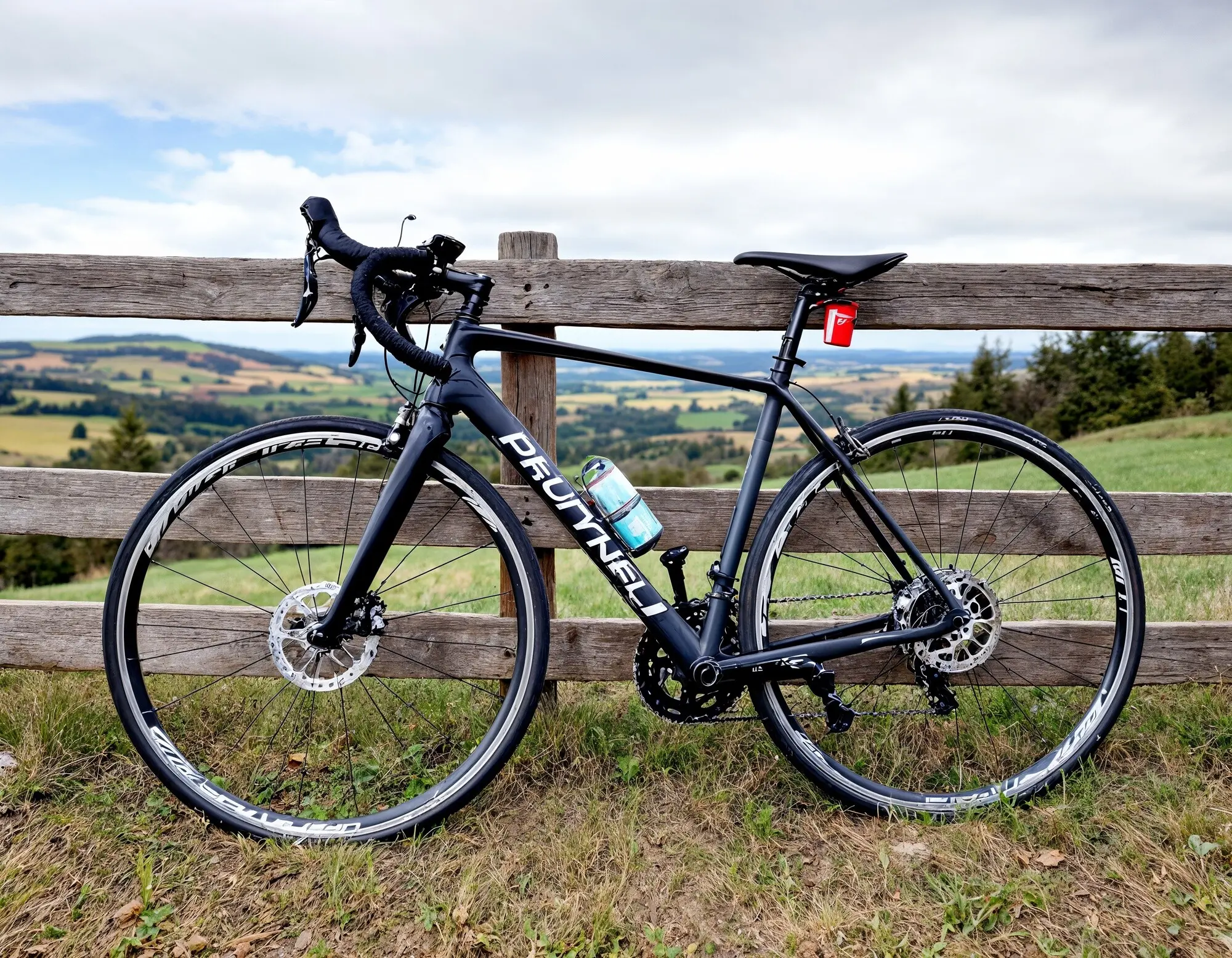
The right setup lets a two-day loch-linked ride feel playful rather than punishing. Favor low gearing, reliable brakes, and tires that roll efficiently on fireroads yet hook up on wet roots and heather edges. Waterproof, modular bags protect essentials when squalls burst from a blue sky, and a tidy cockpit tames constant on-off layers. Pack a midge headnet, reflective layers for dusk, and chain lube that laughs at drizzle. Choose simplicity over novelty, trimming grams while protecting sleep, warmth, and morale when wind rattles tent fabric at midnight.

Day One: curiosity with restraint

Let the first morning sparkle without spending the whole week’s energy. Bank small wins: a steady climb in low gear, a snack before hunger, a waterproof donned before the drizzle. Note bailouts, fill bottles where streams run clear, and photograph without turning every vista into a photoshoot. Aim to arrive at camp with daylight to spare, legs pricked with excitement, and a short list of adjustments for tomorrow’s load, not a debt of exhaustion that steals the dawn’s joy.

Camp reset that restores legs

Treat camp like a trusted mechanic for body and mind. Change into dry, warm layers immediately, eat something salty and hot, and stretch while the stove simmers. Tend feet, dry gloves, and reorganize pockets for the morning shuffle. Confirm weather, trace tomorrow’s lines with a finger on the map, and set alarms to greet early calm. This small discipline converts fatigue into readiness, inviting the second day to start confident, curious, and willing to follow a playful detour when loch light turns irresistible.

Drinking safely from deep, dark waters

Even sparkling lochs can hide upstream surprises. Collect from flowing inlets when possible, prefilter silty water, and use reliable filters or tablets to hedge against unseen microbes. Carry enough capacity for dry stretches and busy mornings when time is tight. Mark dependable sources during planning, then adjust on the ground with eyes and ears open. Warm drinks can lift spirits in damp air, while an insulated bottle keeps that kindness available when the wind suddenly remembers its teeth.

Tiny shops, big smiles, reliable calories

Rural stores, cafes, and honesty boxes can turn a ride around. Note opening hours, carry a little cash, and respect local rhythms by arriving patient and mud-aware. Choose compact, proven foods—oats, nut butter, cheese, chocolate, and salty snacks—that tolerate jostling and drizzle. When kindness offers a refill or story, linger a minute. These human moments stitch routes together as surely as bridges, and the goodwill you cultivate often returns as treasured tips about tracks, gates, and wind-sheltered picnic corners.

Weather, Wildness, and Staying Safe

The Highlands can shift from postcard calm to hard lessons within an hour. Check MWIS and Met Office mountain forecasts, then plan as if they might be wrong. Carry spare insulation, robust waterproofs, and gloves you can manage when numb. Practice map-and-compass skills for whiteouts, and treat river crossings with humility. Ticks, stalking days, and forestry work require flexible lines and patient detours. Share your plan, carry emergency contacts, and consider a PLB or satellite messenger. Preparedness turns surprises into stories rather than statistics.

Reading the sky before it roars

Low, fast clouds clawing over a pass, sudden silence before rain, or a wind shift against forecast—these are prompts, not poetry. Adjust layers early, reroute before commitment cliffs, and shrink goals without shrinking joy. A strategic pause behind a boulder or forest edge can reset morale and fingers alike. Keep snacks accessible and eyes wide, and remember that arriving safe with extra energy beats arriving soaked with a new list of avoidable mistakes.
Navigation when mist erases landmarks

When lochs become pale smudges and the world narrows to dripping heather, trust bearings, features underfoot, and conservative choices. Follow handrail features like shorelines, fences, and reliable tracks, double-check junctions, and favor longer, clearer arcs over risky shortcuts. Keep the group tight, communicate decisions aloud, and pause to break the spell when doubt compounds. Good habits—map folded to the relevant square, compass lanyard secured, GPS as corroboration—turn opaque moments into calm, methodical progress toward the next drinkable stream.
Emergency plans and communication

Pack a compact first-aid kit you actually know, a foil bivy, and enough calories to absorb delays. Program local emergency numbers, store a clear ICE contact, and carry a whistle alongside a power bank. If carrying a satellite messenger, pre-load key contacts and simple check-in templates. Agree on decision points before you roll, like time-based turnarounds or weather-triggered reroutes. Clear, practiced protocols free mental space, turning frayed nerves into focused actions that escort everyone, smiling, back to the final shoreline.

Sample Circuits to Spark Your Own

Cairngorm sparkle: Morlich, an Eilein, Garten, and Insh

A forested figure-eight blends smooth tracks and pine needles around clear-water jewels. Day one might loop Morlich and an Eilein with gentle shore paths and airy Caledonian pine corridors before an easy camp near sheltering trees. Day two arcs toward Garten and Insh, adding bird-song boardwalk vibes and modest road links. Expect modest climbs, big reflections, and frequent re-supply in Aviemore. Perfect for mixed-ability groups, shoulder seasons, and testing kit without committing to remote, rougher moorland crossings.

Railway echoes and glens: Tay, Earn, and Voil

Old rail grades, glen roads, and gravel spurs weave a scenic triangle through Perthshire. Begin near Killin, skirt Loch Tay’s northern shore on varied surfaces, then angle toward the Glen Ogle cycle path and quiet connectors to Loch Earn. Camp tucked from the wind above a burn. Day two heads through Balquhidder toward Loch Voil, rolling past stone bridges and story-rich kirks before returning by tranquil lanes. Expect manageable climbs, inviting bakeries, and that satisfying mix of speed, history, and soft evening light.

Ancient pines and sea light: Maree and Torridon

For a rougher sampler, link estate tracks and coastal views between Loch Maree’s ancient pines and Torridon’s stark walls. Surfaces range from firm gravel to rocky, weathered doubletrack with short, honest pushes. Day one favors Maree’s viewpoints and hidden beaches before a discreet camp inland, sheltered from coastal gusts. Day two carves toward Torridon, balancing effort with big amphitheater scenery and a celebratory roll along sea-bright tarmac. Demands composure, rewards patience, and leaves legs humming with granite, peat, and salt.